
STAY SAFE IN THIS HEAT WAVE
- BeA PT

- May 30
- 6 min read
Stay Safe in the Heat
As temperatures rise, it's essential to take precautions to stay safe and healthy. Here are some key tips to help you manage the heat effectively.
Minimize Alcohol Consumption

Alcohol can significantly dehydrate the body, which makes it particularly crucial to limit its intake during hot weather conditions. When the temperatures rise, the body naturally loses more fluids through sweat as it attempts to cool itself down. Alcohol, being a diuretic, exacerbates this fluid loss by increasing urine production. This combination can lead to a higher risk of dehydration, which can manifest as fatigue, dizziness, and even heat exhaustion if not properly managed. Therefore, it is wise to be mindful of the amount of alcohol consumed during these sweltering months.
Instead of reaching for alcoholic beverages that contribute to dehydration, consider opting for refreshing non-alcoholic alternatives that can quench your thirst and keep you hydrated. There is a wide variety of delicious options available, such as sparkling water infused with fresh fruits like lemon, lime, or berries, which not only provide hydration but also add a burst of flavor. Herbal iced teas can be another excellent choice; they are refreshing and can be enjoyed without sweeteners. Additionally, smoothies made from hydrating fruits like watermelon or cucumber can serve as both a refreshing treat and a nutritious snack, helping to maintain hydration levels while providing essential vitamins and minerals.
Staying hydrated is essential for maintaining energy levels throughout the day, especially during the hot summer months. By choosing non-alcoholic drinks, you can ensure that your body remains well-hydrated, allowing you to enjoy outdoor activities, social gatherings, or simply relaxing in the sun without the adverse effects that alcohol can bring. Remember that hydration is key to overall health, and making smart beverage choices is an important step in taking care of your body during the heat. So, the next time you find yourself in a social setting or at a summer event, consider reaching for a refreshing mocktail or a revitalizing fruit punch instead of an alcoholic drink. Your body will thank you for it, and you’ll be able to enjoy your day to the fullest.
Stay Hydrated

Hydration is vital in hot weather. Here are some tips to ensure you stay well-hydrated:
Drink plenty of water throughout the day, aiming for at least 8-10 glasses.
Incorporate hydrating foods into your diet, such as cucumbers, watermelon, and oranges.
Consider electrolyte-rich drinks if you are sweating excessively.
Eat a Balanced Diet (40-30-30)
Maintaining a balanced diet is essential for overall well-being, especially in the heat. A 40-30-30 macronutrient ratio can help:

40% Carbohydrates: It is essential to emphasize the importance of incorporating a diverse range of carbohydrates into your diet, particularly those that are unprocessed and nutrient-dense. Whole grains such as brown rice, quinoa, oats, and whole wheat bread serve as excellent sources of energy due to their complex carbohydrate composition, which provides a steady release of glucose into the bloodstream. This not only fuels your body effectively but also helps maintain stable energy levels throughout the day, preventing the spikes and crashes associated with refined sugars and simple carbohydrates.
In addition to whole grains, it is crucial to include a variety of fruits and vegetables in your daily meals. Fruits like bananas, apples, berries, and oranges not only provide essential vitamins and minerals but also offer natural sugars that can quickly replenish energy stores. Vegetables, especially starchy options such as sweet potatoes, corn, and peas, contribute valuable carbohydrates while also being rich in fiber, which aids in digestion and promotes a feeling of fullness.
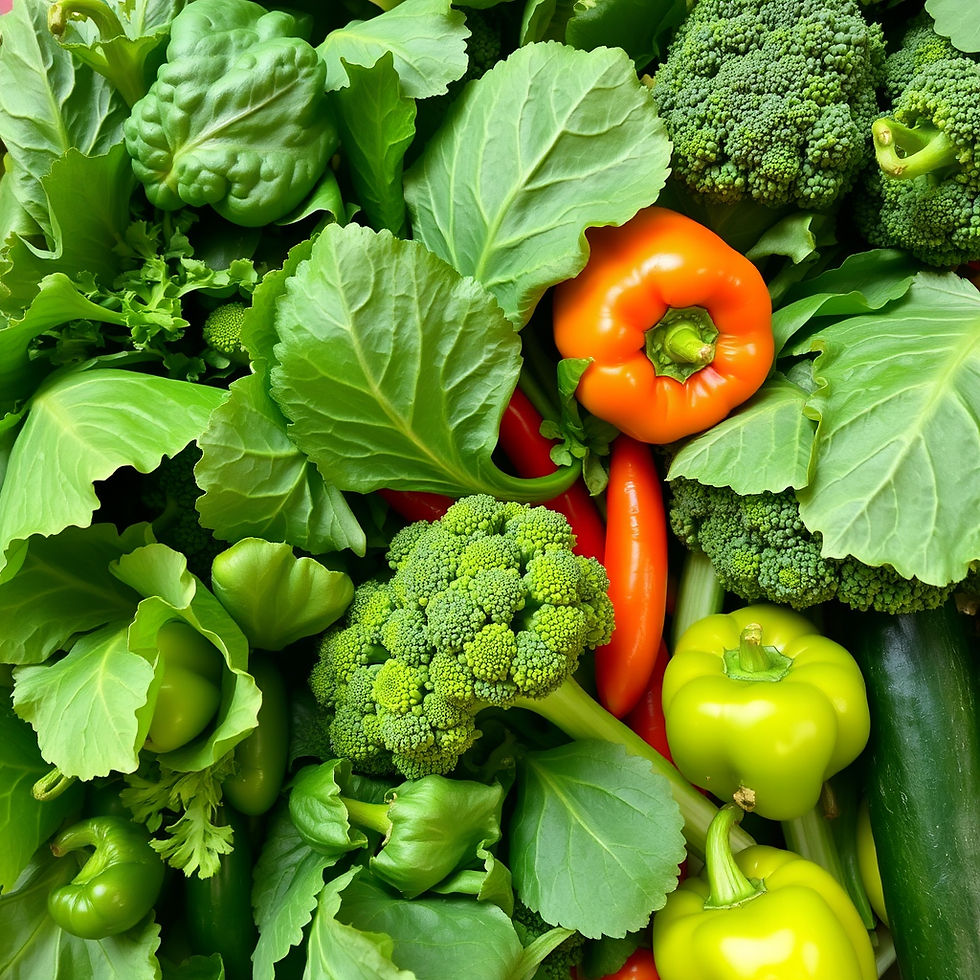
Vegetables are an integral part of a balanced diet, providing not only carbohydrates but also a wealth of nutrients essential for overall health. Leafy greens like spinach, kale, and Swiss chard are particularly nutrient-dense, offering vitamins A, C, and K, as well as important minerals like iron and calcium. Cruciferous vegetables such as broccoli, cauliflower, and Brussels sprouts are known for their cancer-fighting properties and high fiber content.
Moreover, the fiber found in these whole food sources can help regulate blood sugar levels, improve gut health, and support overall well-being. By prioritizing these nutrient-rich carbohydrates, you can create a balanced diet that sustains energy levels, supports metabolic health, and enhances physical performance. It is advisable to aim for a variety of colors and types of fruits and vegetables to ensure a broad spectrum of nutrients is consumed, ultimately leading to a healthier lifestyle.

30% Protein: It is essential to incorporate a variety of lean proteins into your diet to achieve an optimal balance that supports muscle health and overall well-being. Lean proteins, such as chicken and fish, are excellent sources of high-quality protein that provide essential amino acids necessary for muscle repair and growth. Chicken breast, for example, is not only low in fat but also rich in nutrients like niacin and vitamin B6, which play crucial roles in energy metabolism and maintaining healthy muscle function.
Fish, particularly varieties like salmon, tuna, and mackerel, offer not only protein but also healthy omega-3 fatty acids. These fatty acids are known for their anti-inflammatory properties and can help in reducing muscle soreness and promoting recovery after intense workouts. Including fish in your diet a couple of times a week can significantly enhance your protein intake while providing additional health benefits, such as improved heart health and cognitive function.
In addition to animal sources, plant-based proteins such as beans and legumes are also vital components of a protein-rich diet. Lentils, chickpeas, and black beans are packed with protein and fiber, making them an excellent choice for those looking to increase their protein intake while also improving digestive health. These plant proteins can be particularly beneficial for vegetarians and vegans, as they provide essential nutrients without the saturated fats often found in animal products.
Combining different sources of protein throughout the day can ensure that you are not only meeting your protein requirements but also obtaining a wide range of nutrients. For instance, pairing beans with whole grains, such as quinoa or brown rice, can create a complete protein profile, which is particularly important for those following a plant-based diet. This combination not only supports muscle health but also contributes to sustained energy levels and overall vitality.
In summary, aiming for a diet that includes approximately 30% protein from diverse sources, including lean meats, fish, beans, and legumes, is crucial for anyone looking to maintain muscle health, enhance recovery, and support overall nutritional needs. By thoughtfully incorporating these protein-rich foods into your meals, you can foster a balanced and healthful approach to your dietary habits.

30% Healthy Fats: Incorporate sources like avocados, nuts, and olive oil for essential fatty acids. Healthy fats are crucial to a balanced diet, as they play a significant role in supporting various bodily functions. Avocados, for instance, are not only rich in monounsaturated fats, which are known to promote heart health, but they also provide a wealth of vitamins and minerals, including potassium and vitamin E. Nuts, such as almonds, walnuts, and pistachios, are excellent sources of omega-3 and omega-6 fatty acids. These essential fats are vital for brain health, reducing inflammation, and supporting overall cardiovascular function. Additionally, nuts are packed with protein, fiber, and antioxidants, making them a perfect snack option that can help maintain satiety and energy levels throughout the day. Olive oil, particularly extra virgin olive oil, is another cornerstone of healthy fats. It is renowned for its anti-inflammatory properties and its high content of antioxidants, which can help protect the body from oxidative stress. Incorporating olive oil into your diet can be as simple as using it as a dressing for salads, drizzling it over roasted vegetables, or even using it as a base for marinades and sauces. In addition to these sources, it is also beneficial to explore other options such as fatty fish like salmon and mackerel, which are rich in omega-3 fatty acids known for their heart-protective effects. By diversifying your intake of healthy fats, you not only enhance the flavor and texture of your meals but also ensure that your body receives a broad spectrum of nutrients necessary for optimal health. Aim to make healthy fats approximately 30% of your overall caloric intake, as this balance can aid in maintaining a healthy weight, improving metabolic health, and supporting overall well-being.

Treat Yourself with Dark Chocolate (90%)
Indulging in a small amount of high-quality dark chocolate (90% cocoa) can be a delightful way to satisfy your sweet tooth while reaping health benefits. Dark chocolate is rich in antioxidants, poliphenols and magnesium and can improve mood, making it a perfect treat during hot days. Just remember to enjoy it in moderation!
Conclusion
By following these tips—minimizing alcohol, staying hydrated, eating a balanced diet, and treating yourself with dark chocolate—you can enjoy the summer heat while keeping your health in check. Stay cool and safe!




Comments